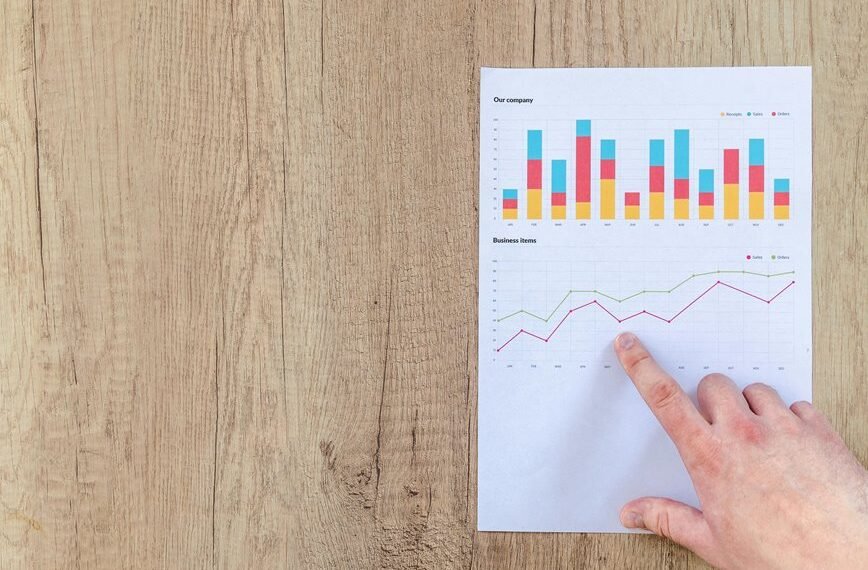
The Market Dynamics Continuity Log presents a series of entries that highlight significant shifts in economic indicators and consumer behaviors. Each entry provides distinct insights, critical for evaluating market trends. By analyzing these data points, stakeholders can uncover patterns that inform strategic adjustments. Understanding these dynamics is essential for maintaining competitiveness. However, the implications of these insights raise further questions about future market trajectories and the necessary adaptations businesses must consider.
Understanding Market Fluctuations
Market fluctuations represent the continuous ebb and flow of asset prices influenced by a multitude of factors, including economic indicators, investor sentiment, and geopolitical events.
Understanding market trends involves analyzing price volatility driven by demand shifts and disruptions within the supply chain.
These elements collectively shape investor behavior, ultimately impacting asset pricing and reflecting the complex interplay of freedom and market dynamics.
Key Data Points Analysis
While various economic indicators serve as the backbone of market analysis, understanding key data points requires a systematic approach to interpreting their implications.
Analysts must scrutinize market trends through rigorous data interpretation, identifying patterns that reveal underlying shifts. This process enables stakeholders to make informed decisions, fostering a sense of autonomy in navigating complex market landscapes influenced by ongoing economic dynamics.
Consumer Behavior Insights
How do shifts in consumer behavior shape market dynamics?
Understanding brand loyalty trends reveals that purchase motivations are increasingly driven by sustainability and authenticity. As consumers prioritize ethical considerations, brands must adapt to maintain relevance.
This evolution not only influences buying patterns but also reshapes competitive landscapes, compelling businesses to innovate continuously and align their offerings with the values of a liberated consumer base.
Adapting Strategies for Success
Shifts in consumer behavior necessitate a reevaluation of business strategies to ensure sustained success.
Organizations must adopt agile methodologies to enhance responsiveness and adaptability. By refining competitive positioning through data-driven insights, businesses can effectively navigate market fluctuations.
Embracing flexibility allows companies to align offerings with evolving consumer demands, ultimately fostering a resilient framework for success in a dynamic marketplace.
Conclusion
In conclusion, the Market Dynamics Continuity Log serves as an invaluable resource for stakeholders navigating the complexities of fluctuating markets. By leveraging the insights derived from the unique data entries, businesses can effectively adapt their strategies to align with consumer behavior trends. While some may argue that market forecasts are inherently uncertain, the analytical rigor applied to these logs provides a robust framework for informed decision-making, enabling organizations to thrive amid volatility and maintain a competitive edge.